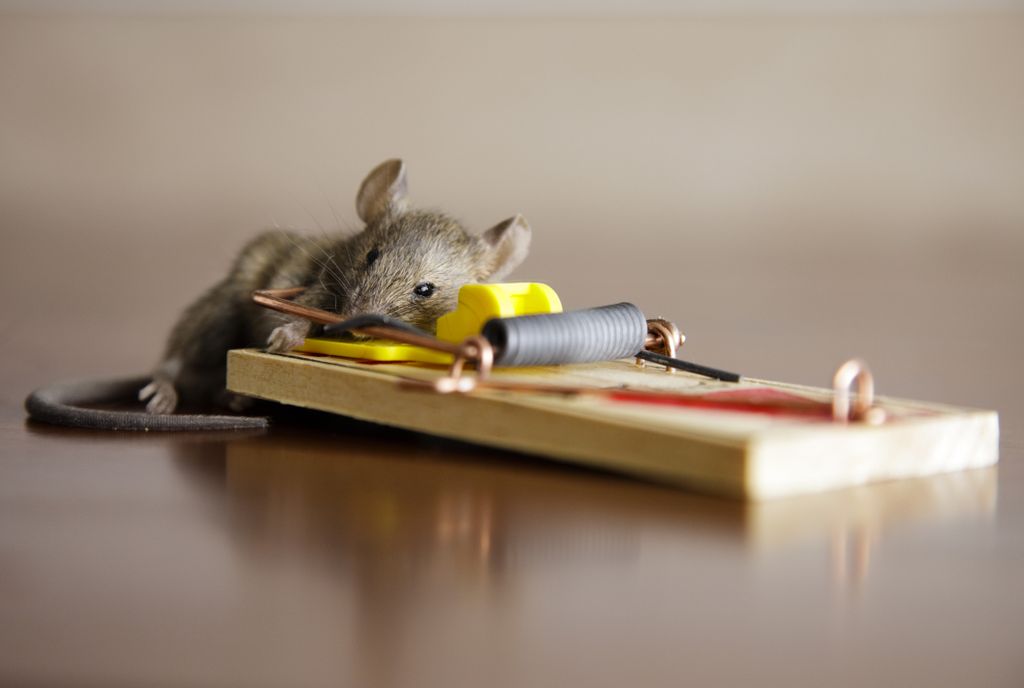
Rodent Smoke Test is presented effectively in this reliable informational post
Revealing the Realities: Just How the Rodent Smoke Test Enhances Pest Control Efforts
The Rat Smoke Test is an ingenious method in pest control. It utilizes safe smoke to expose concealed entrance points and nesting sites of rodents. This approach uses an aesthetic representation of invasions that typical inspections may forget. As pest administration methods develop, comprehending the effects of this method ends up being crucial. What specific advantages does the Rat Smoke Examination provide over conventional techniques? Discovering this may shed light on its growing significance in efficient pest control.

What Is the Rodent Smoke Examination?
Although various techniques exist for detecting rodent problems, the Rodent Smoke Examination attracts attention as a particularly efficient strategy. This innovative technique entails introducing a harmless smoke into a structure's structure to map possible entrance factors and nests. By observing the motion of the smoke, bug control professionals can recognize hidden paths rodents may use to attack rooms.
The Rat Smoke Examination is especially useful because it supplies prompt visual feedback, enabling speedy analysis and activity. It is non-toxic, making it risk-free for both humans and family pets, while successfully highlighting issue areas that may require additional assessment or treatment. This approach is especially valuable for complex or big buildings where standard examination techniques may fail. Inevitably, the Rodent Smoke Test functions as a considerable tool in the collection of parasite control techniques, improving the effectiveness of rodent administration efforts.
How Does the Rat Smoke Test Work?
The Rodent Smoke Test operates by introducing a safe smoke into the structure's structure, allowing bug control specialists to visualize the activity of the smoke as it travels via potential entry factors and covert paths - Rodent Smoke Test. This method begins with securing off the structure to have the smoke, ensuring exact outcomes. As soon as the smoke is released, technicians observe its dispersal patterns, which reveal areas where rats may be entering or nesting
The process additionally helps recognize gaps and cracks that are not visible to the nude eye. By keeping track of the smoke's behavior, bug control professionals can identify susceptabilities in the structure and determine the most efficient approaches for rodent exclusion and control. This strategy not only enhances the understanding of a problem's resource yet additionally help in establishing an all-inclusive parasite administration strategy customized to the details demands of the building.
Benefits of Making Use Of the Rodent Smoke Examination
The rodent smoke test offers substantial advantages in parasite control by providing accurate discovery methods for determining rodent entry factors - Rodent Smoke Test. This precision permits improved therapy techniques tailored to specific invasions. Because of this, pest control initiatives become a lot more efficient and reliable, minimizing the risk of future rodent issues
Precise Detection Approaches
How effectively can pest control specialists determine hidden rodent problems? The rodent smoke test provides a very precise discovery technique that boosts standard pest control methods. By introducing a safe smoke right into prospective access points, specialists can observe the smoke's motion, showing pathways made use of by rodents. This approach reveals concealed nests and burrows that might otherwise go undetected. The visual verification supplied by the smoke permits service technicians to pinpoint areas calling for immediate interest, boosting the efficiency of inspections. Additionally, the rodent smoke examination reduces the requirement for intrusive measures, making certain a much more humane technique to pest control. Overall, this method supplies a reputable remedy for identifying rodent activity, ultimately leading to more efficient bug monitoring strategies.
Improved Treatment Techniques
While numerous bug control techniques rely upon uncertainty and basic presumptions, the rodent smoke test improves therapy methods by giving specific understandings right into rodent habits and entrance factors. This ingenious technique enables bug control experts to determine covert pathways and nesting areas with precision, promoting targeted therapies. By envisioning smoke patterns, technicians can pinpoint susceptabilities in structures, guaranteeing an extensive reaction to invasions. Furthermore, the rodent smoke test minimizes the need for broad-spectrum chemicals, minimizing chemical exposure and promoting ecological safety. Inevitably, this technique brings about a lot more efficient pest monitoring, as it tailors interventions to specific link trouble locations, resulting in quicker resolutions and lasting prevention of rodent problems. Improved treatment approaches contribute to improved total insect control efficacy.
Determining Entry Information With Smoke
Determining access points for rodents can be successfully achieved through making use of smoke screening, a technique that permits pest control professionals to picture pathways that pests may manipulate. During this procedure, a non-toxic smoke is launched right into the setting, revealing any kind of openings, gaps, or fractures where rats could acquire accessibility. The smoke allows specialists to map the circulation of air, highlighting potential susceptabilities in frameworks.
This technique is especially advantageous in business structures, where small access points can lead to substantial problems. By observing the smoke's movement, bug control experts can determine which locations call for immediate interest and removal. In addition, smoke screening can uncover covert voids and cavities that may not show up throughout a basic assessment. Therefore, pest control efforts end up being more targeted, effective, and efficient, eventually causing an extra detailed approach to rodent monitoring.
Contrasting Traditional Methods to the Smoke Test
Traditional pest detection approaches often have problem with limitations, such as relying upon visual inspections and traps that might miss out on surprise rodent task. In contrast, the smoke test supplies distinctive benefits by exposing hidden entry points and giving an extra complete evaluation of rodent pathways. This contrast highlights the performance of ingenious methods in enhancing pest control strategies.
Traditional Detection Limitations
Although conventional bug detection approaches have long been the standard in taking care of rodent problems, they usually fall brief in effectiveness and accuracy. Typical methods, such as traps and lure stations, count heavily on aesthetic assessments and indirect signs of rodent task. These methods can be lengthy and may miss concealed infestations. Furthermore, they frequently give incomplete information, leading to inadequate targeting of problem locations. Reliance on auditory ideas or droppings can also cause misdiagnosis, as rodents may inhabit important link areas without leaving evident signs. These approaches might not account for ecological elements that affect rodent actions. As a result, bug control specialists face difficulties in precisely evaluating the extent of invasions and determining suitable treatments.
Smoke Test Benefits
While standard bug discovery approaches have their merits, the smoke test provides unique advantages that improve the efficiency of rodent control. Typical approaches usually count on aesthetic assessments and catches, which can miss out on surprise problems or fall short to discover entrance points. In contrast, the smoke examination makes use of a safe smoke to reveal pathways and nesting websites, giving a thorough sight of rodent task. This technique allows pest control specialists to recognize susceptabilities in structures much more efficiently than typical strategies. Additionally, the smoke examination can be carried out quickly and with minimal disturbance, making it a functional option for home proprietors. Ultimately, the smoke examination's capability to uncover hard to reach locations placements it as an exceptional tool in the battle against rodent problems.
Executing the Rat Smoke Test in Your Pest Control Approach
Carrying Out the Rodent Smoke Examination can significantly enhance a click to find out more bug control strategy by supplying clear insights right into rodent entry factors and nesting sites. This approach includes presenting a non-toxic smoke right into potential entrance locations, allowing parasite control professionals to observe where the smoke gets away (Rodent Smoke Test). Recognizing these escape paths helps to establish how rats access a structure, resulting in targeted treatments
Incorporating the smoke test into a bug control plan needs cautious preparation and implementation. Specialists should carry out the examination throughout times of peak rodent activity for maximum efficiency. Adhering to the examination, comprehensive evaluations must be executed to seal recognized access points and eliminate favorable problems for rodent habitation.
In addition, incorporating the searchings for from the smoke test with other pest administration methods, such as baiting and capturing, can bring about a more effective and sustainable option. This calculated strategy guarantees that pest control efforts are both effective and resilient.
Regularly Asked Inquiries
Is the Rat Smoke Examination Safe for People and family pets?
The rodent smoke examination is usually taken into consideration secure for pet dogs and human beings when carried out appropriately. Nonetheless, individuals should assure ample air flow and comply with safety standards to decrease any type of potential risks throughout the screening procedure.
How much time Does the Rat Smoke Examination Take to Full?
The rodent smoke test typically takes in between half an hour to an hour to complete. This period enables thorough analysis, allowing specialists to recognize prospective access points and properly plan for bug control actions.
Can the Smoke Examination Detect Various Other Pests Besides Rodents?
The smoke test primarily targets rats, yet it can indirectly suggest the visibility of other parasites by revealing access points and nesting areas, permitting insect control specialists to examine potential problems beyond just rats.
What Happens if the Smoke Test Discloses Multiple Entrance Factors?
If the smoke examination exposes numerous access points, insect control experts will certainly analyze each location, seal these openings, and execute considerable strategies to avoid more infestations, making certain a complete strategy to pest management.
Exactly how Commonly Should the Rat Smoke Test Be Carried Out?
The rodent smoke test need to be performed yearly as a preventative procedure, or extra often if indications of rodent activity are discovered. Routine evaluations assist preserve reliable bug control and assurance property integrity.